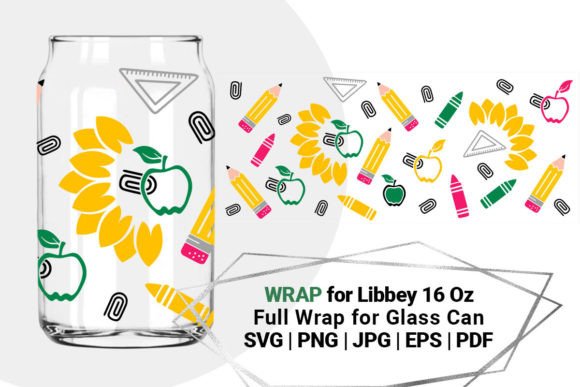
A Teacher Design for Embroidery, Straight from the Can
I pulled up the 'Teacher, School Svg for Libbey 16 Oz, Ca' file on my screen, the name itself a charming nod to a classic tumbler. My first thought was not of the glass, but of the embroidery project it could become. As a designer, I see a digital file not as a static graphic, but as a blueprint for thread and texture. This one, with its clear schoolhouse theme, immediately felt like a warm, appreciative gesture. It’s not overly loud or cartoony; it has a friendly, slightly vintage sincerity that speaks to recognition and respect.
The Shape of Gratitude: Where This Design Naturally Belongs
The layout is straightforward—a central, charming schoolhouse icon paired with the word 'Teacher'. This is a design that wants to be a personalized gift or a staple for a small business catering to educators. I imagined it stitched onto a canvas tote bag for a teacher carrying books, or on the left chest of a cozy sweatshirt. It would shine on a tea towel in a classroom-themed kitchen, or as a small, sweet patch on a child’s backpack to honor their favorite teacher. The mood is genuinely appreciative, making it perfect for end-of-year gifts, retirement presents, or even boutique merchandise for school-themed shops.
How It Translates From Screen to Stitched Fabric
Thinking practically, this design’s success hinges on its detail level. The schoolhouse outline and the lettering need clear definition. On a standard cotton tote or a fleece sweatshirt, using a crisp satin stitch for the outlines and a fill stitch for the schoolhouse body would create a lovely, tactile result. The solid shapes mean it won’t become a dizzyingly dense embroidery project, which is good for longevity on items like aprons or pillow covers that might see frequent use.
For baby clothes or lightweight custom apparel like t-shirts, I’d be cautious. The design's solid areas, if stitched with high density, could create a stiff patch on thin or stretchy fabric. It’s better suited to more stable substrates. On a dark fabric, you’d need to think about thread color contrast—a bright white or yellow for the schoolhouse would pop beautifully, but always test on scrap fabric first.
Real-Life Embroidery Scenario: The Boutique Holiday Gift
Let’s walk through a real case. A client asks for a last-day-of-school gift for a kindergarten teacher. They want an embroidered patch to apply to a high-quality linen apron. I’d open this SVG, check the scale, and ensure my hoop size can accommodate it without squeezing the details. The 'Teacher' lettering is the critical part—tiny, intricate lettering can blur if the stitch width isn’t controlled. I’d use a firm stabilizer and possibly opt for a slightly larger hoop than minimum to keep everything steady. The final product would feel handmade yet professional, increasing the perceived value of the gift and building customer trust in my craft business.
Where Caution is Needed for a Clean Finish
This design would be tricky on a curved surface like a cap if the schoolhouse is too large; the curves could distort the rectangular shape. Also, the corners of the schoolhouse roof and windows are points where stitch direction matters—a poor path could create bunching. For products needing frequent washing, like kitchen towels, I’d recommend a tighter fill stitch and robust thread to maintain stitching clarity over time. Always inspect small details in your software preview before loading the embroidery file into the machine.
Beyond the Stitch: Visual Appeal and Commercial Sense
From a commercial perspective, this design has solid giftability. It’s easily recognizable and universally positive. For an Etsy seller or small shop product, it could be a year-round bestseller, especially paired with a mockup showing it on a tote or sweatshirt. The clean graphic also works well for printable mockups in digital listings, helping buyers visualize the finished product. It supports brand consistency for a shop specializing in appreciation-themed items.
However, its true strength is in its straightforward application. It doesn’t try to do too much, which makes it reliable. That reliability translates to a professional look when stitched well, enhancing buyer engagement because the final product looks intentional and clean, not crowded or confusing.
Practical Designer Notes Before You Hoop the Fabric
Before running this for a client or your own handmade product, here are my must-do checks:
- Test the design on scrap fabric first, using both a light and dark background to judge thread choices.
- Review the stitch density in your embroidery software—adjust if areas seem too dense for your chosen fabric texture.
- Confirm the effective hoop size needed; don’t assume the design will fit your smallest hoop.
- Check whether the SVG and other included files are cleanly layered, which matters if you intend to modify or use it as an applique design.
- Most importantly, confirm licensing before selling finished items or digital products. The product description lists multiple formats (SVG, PNG, PDF, JPEG, EPS), which is excellent for flexibility, but the license terms are not stated here. You must verify the allowed use for commercial embroidery projects.
The 'Teacher, School Svg for Libbey 16 Oz, Ca' is more than a graphic; it’s a prompt for a meaningful embroidery project. Its value isn’t in its digital complexity, but in its emotional simplicity and practical stitchability. When executed with care on the right product, it becomes a tangible token of thanks—something that looks as good in thread as it does on screen.