Evaluating Teacher's SVG Design for Your Embroidery Projects
A First Impression That Sticks
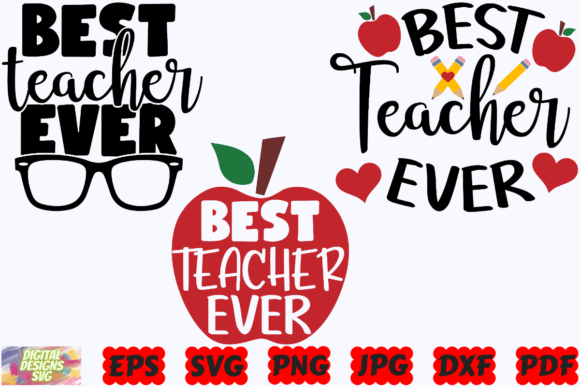
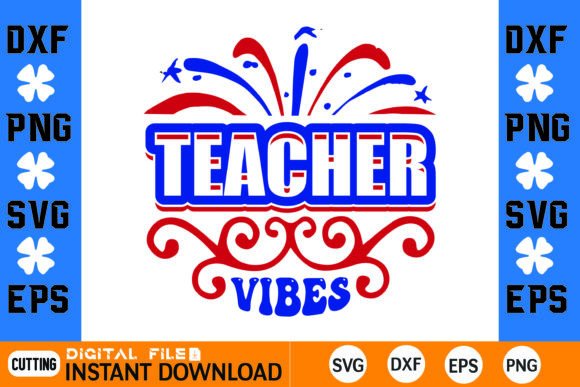
When I first opened the Teacher's SVG Design, my immediate reaction was its clean, classic charm. The design feels warm and celebratory without being overly sentimental. It strikes a nice balance between a professional tribute and a heartfelt gift. The layout is straightforward and graphic, which translates well into an embroidery file where clarity is paramount. It doesn’t try to be overly detailed, which is a huge advantage for us embroiderers; overly complex SVG designs can become muddy when stitched out. The visual personality here is confident and respectful, making it suitable for a wide range of projects, from a simple tote bag for a teacher’s conference to a custom sweatshirt for a retiring mentor.
Where This Design Naturally Belongs
This isn’t a design I’d automatically throw onto a cap or a baby bib. Its strength lies on flat, stable surfaces where its graphic elements can shine. I’m thinking immediately of embroidered pillow covers for a teacher’s lounge, custom aprons for a classroom volunteer, or a beautifully stitched tote bag as a personalized gift. The theme is universal enough for holiday gifts, end-of-year presents, or even boutique merchandise for a small shop specializing in educator-themed products. I can easily see this as a centerpiece on a tea towel in a teacher’s kitchen or as a framed, embroidered wall art piece.
Performance in Real-Life Embroidery Situations
Let’s talk about stitching this out. Because the design is graphic and not overly dense, it should perform well on custom apparel like t-shirts and sweatshirts, provided you use the correct stabilizer for those fabrics. On a tote bag, using a sturdy canvas, the fill stitches will look crisp and hold up to wear. For a more delicate presentation, like a pillow cover for nursery decor (think a “teacher’s aide” gift), it would stitch out beautifully on a smooth cotton or linen.
I’d be cautious, however, about using it for an embroidered patch intended for a backpack or a heavy-use item. The design’s success depends on its clean lines, and on a curved surface like a cap or on textured fabrics, some of that clarity could be lost if the stitch density isn’t perfectly calibrated. For commercial embroidery projects, like a batch of towels for a school fundraiser, this design’s simplicity means faster production and consistent results, which builds customer trust.
Scenarios Where You Need to Be Careful
Always test. That’s the golden rule. For the Teacher's SVG Design, pay particular attention in these situations:
- Small hoop sizes: If you’re trying to stitch this very small, perhaps on a baby clothes item like a polo shirt cuff, the lettering and any fine details need to be scrutinized. Will they remain readable?
- Dark fabric backgrounds: The mood of the design can shift dramatically. A mockup in black and white is essential here. You might need to adjust thread color choices to maintain its warm, celebratory feel on a dark navy sweatshirt.
- Stretchy or thin fabric: A kitchen towel or a lightweight t-shirt requires a different stabilizer approach than a bag. The design’s stitch density needs to be appropriate to prevent puckering on these more challenging materials.
- Products needing frequent washing: If this is going on an apron or a frequently used pillow, consider a tighter fill stitch and robust thread to ensure longevity and maintain that handmade presentation value.
The Impact on Your Project's Appeal and Value
Using a well-considered design like this elevates your finished product. The stitching clarity it promotes translates directly into visual appeal. A clean, well-executed embroidery on a tote bag looks professional, which increases the product’s perceived value and boosts buyer engagement in an Etsy listing or at a craft fair. For a personalized gift, this design feels thoughtful and specific, enhancing its giftability. For a small business owner, using it consistently across a line of merchandise—say, tote bags, mugs (using the design for printable mockups), and pillows—can help build brand consistency.
It’s a design that customers will recognize immediately, which is a strength. That recognition, paired with high-quality embroidery, fosters trust. They see a product that looks intentionally designed and carefully made, not hastily slapped together.
Practical Notes from the Hoop
Before you load this embroidery file, here’s my practical checklist:
- Test on scrap fabric first. Use the same material you intend for the final project. This reveals everything about stitch density, thread tension, and how small details render.
- Check thread color contrast. Don’t just rely on the digital preview. Pull physical thread spools and see how they interact with your actual fabric.
- Review the design in your software. Look for any potential trouble spots: overly dense areas that might need adjustment, or tiny corners that might require a satin stitch instead of a fill.
- Confirm your hoop size is adequate. Ensure the design fits comfortably within your hoop to avoid unnecessary stress on the fabric.
- Consider the end-use. Is this for a personal gift or a commercial embroidery project you’ll sell? Always confirm the licensing terms of the Teacher's SVG Design before selling finished items or using it as a digital product asset for your own shop.
- Use proper stabilizer. This is non-negotiable. The right stabilizer is what makes this graphic design look crisp on the final product, whether it’s a bag or a baby blanket.
Final Thoughts Before You Stitch
The Teacher's SVG Design, from the Crafts and Graphics category, is a solid, reliable asset. It’s not a flashy, complicated piece, but that’s its virtue. It provides a clear, emotive foundation for your embroidery project. It allows your skill with the machine—your choice of thread colors, your stabilizer technique, your fabric selection—to be the star. In my judgment, it’s a design best used where its graphic warmth can be fully appreciated: on personalized gifts, custom apparel for educators, and thoughtful handmade products from your craft business. Approach it with a practical eye, test it thoroughly, and it will stitch out into a project that feels both professional and genuinely kind.