Teacher Squad: An Embroidery Designer's Honest Review
Whenever a new file lands in my inbox, my first thought is always, 'Is this going to look good in thread?' Not on the screen, but on real fabric, under a hoop, stitching out for a client or a product for my shop. Today, let's walk through that process with the Teacher Squad SVG design.
The First Impression: Clean, Friendly, and Immediately Useful
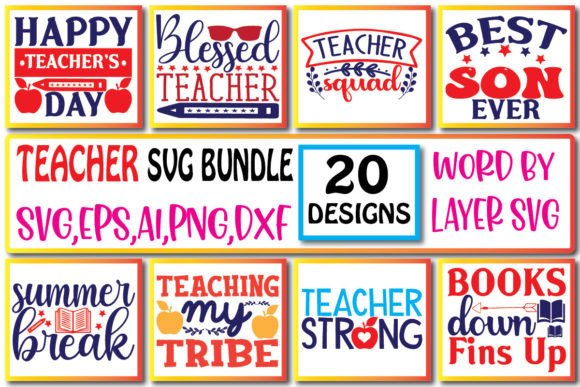
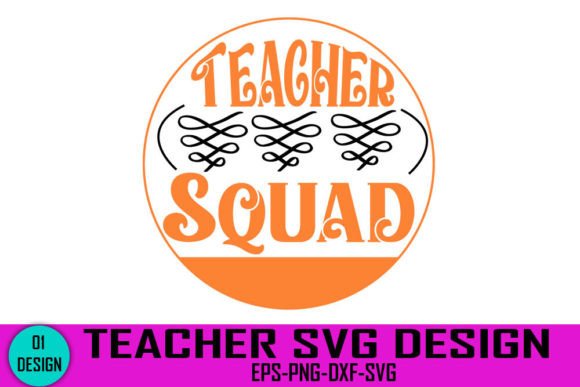
Opening Teacher Squad, you get a design with a straightforward, upbeat personality. The layout is clean and balanced, built around a central theme that’s instantly recognizable. This isn't an overly complex, detail-heavy illustration; it's a graphic with a clear purpose. For an embroidery designer, that's often a good sign. It creates a mood of appreciation and celebration, perfect for the educator niche. Visually, it feels like it belongs on something meant to be worn, carried, or displayed—a gift, not just a graphic.
Where This Design Naturally Thrives
In my mind, I immediately picture a custom embroidered tote bag. It's a classic teacher gift, and this design's size and style would stitch out beautifully on a canvas bag. The satin stitches would feel substantial, the fill areas would create nice texture, and the overall presentation would look professional and thoughtful. Similarly, it’s a strong candidate for a sweatshirt or a cozy blanket—projects where the embroidered area becomes a focal point of comfort and recognition.
Beyond gifts, this fits seamlessly into a craft business lineup. Think boutique aprons for a classroom volunteer, a simple yet elegant patch on a denim jacket, or a neatly stitched design on a tea towel for a teacher's kitchen. For Etsy sellers and small shop owners, this design translates well into a product that feels handmade but polished, increasing perceived value and customer trust. It's also excellent for printable mockups if you're selling digital embroidery files yourself.
Navigating Real-World Embroidery Situations
So, how does Teacher Squad perform when the needle hits the fabric? On standard apparel like t-shirts and sweatshirts, using a good stabilizer, this should stitch out cleanly. The design’s composition suggests it won't have overly dense stitch areas that could pucker lighter fabrics if hooped properly. For baby clothes or delicate nursery decor items, I'd recommend testing on scrap fabric first to check the stitch density on that specific material.
Dark fabric? Always a consideration. The design's elements would require good thread color contrast to pop—think bright, cheerful hues against a navy or black background. It's not inherently a problem, just a note for your thread palette planning.
Where to Exercise a Bit of Caution
Curved surfaces like caps can be tricky for any design with potential small details or tight corners. Without knowing the exact stitch count or file engineering, my professional advice is to always test a design like this on a curved mockup or scrap cap fabric if you intend to use it there. The same goes for very small hoop sizes; you need to ensure the scale maintains clarity.
Textured fabrics, like a thick towel or a loosely woven blanket, can absorb detail. Review the small elements in the design on your screen—if there are any tiny lettering or intricate decorative accents, you might need to adjust the size or accept that they'll blend a bit more on a textured surface. Products that need frequent washing, like aprons or kitchen towels, benefit from robust stitching. Again, a test run on your intended fabric will tell you if the stitch density feels durable enough.
The Impact on Your Project and Your Business
Using a well-executed embroidery file like Teacher Squad affects everything downstream. The stitching clarity translates directly to visual appeal. A clean stitch-out makes a personalized gift feel premium and increases giftability. For your small business merchandise, it reinforces brand consistency and professionalism—customers see a neatly embroidered product and trust the craftsmanship.
This kind of design also drives buyer engagement. It's relatable and specific. A teacher, a parent, a school volunteer sees it on a tote bag at a craft fair or in an Etsy listing and immediately connects. That recognition is powerful for sales. It turns a generic craft into a meaningful product.
Practical Notes from the Hoop
Before you commit this to a final project, run through your standard checklist. Test it on scrap fabric, ideally the same type you'll use for the final product. Check your thread color contrast against both light and dark fabric backgrounds; sometimes a design needs a different palette than you first imagined. Inspect the small details on your screen to ensure they'll translate at your chosen hoop size.
Use the proper stabilizer for your fabric—this is non-negotiable for a clean finish. And crucially, confirm the licensing before selling finished items or digital products. The product description lists included file formats, but the terms of use are paramount. Always verify whether the design is cleared for commercial embroidery projects, personal use, or both. This protects your business and respects the designer's work.
Final Thoughts: A Solid Design Asset
From an embroidery designer's perspective, Teacher Squad presents itself as a reliable graphics asset for the Crafts category. It's not overly complicated, which often makes it more versatile in real project use. It evokes a positive, specific mood that aligns perfectly with a wide range of teacher-themed projects. It should stitch well on common gift and apparel items, provided you follow good embroidery practices: testing, stabilizing, and scaling appropriately.
It naturally fits into the workflow of hobbyists making a heartfelt gift, creative entrepreneurs building their shop inventory, and commercial embroiderers fulfilling client orders. Remember, the true test is always in the stitching. So, hoop it up, choose your colors, and see how this design brings the Teacher Squad to life in thread.