Hoppy Easter Teacher Design: A Professional Embroidery Review
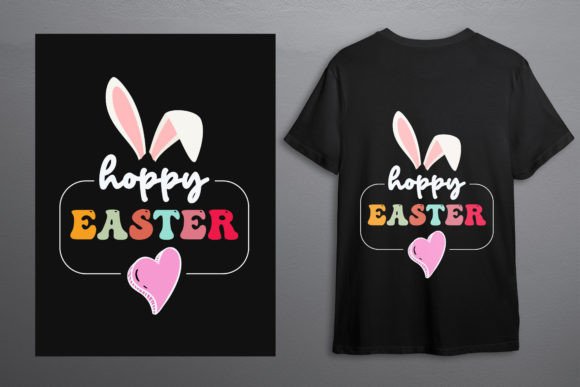
When you open that zip file and see the Hoppy Easter Teacher design waiting in multiple formats, the first thing you notice is its cheerful simplicity. It’s not overly complex, which is a good sign for embroidery. The theme is clear and warm—a perfect blend of holiday spirit and appreciation. The layout feels balanced, with lettering that’s likely to translate well into stitches without becoming a dense, puckered mess. This isn't a design that shouts; it invites. It creates a mood of grateful celebration, which is exactly what you want for a teacher gift.
Where This Design Belongs in the Real World
I picture this design stitched onto a soft canvas tote bag, a gift for a kindergarten teacher filled with spring treats. It feels equally suited to the corner of a cozy sweatshirt or the front of a crisp apron. The personality is friendly and slightly whimsical, making it a natural fit for personalized holiday gifts, boutique baby items like a embroidered blanket for a teacher's new little one, or as a simple, sweet patch on a backpack. For small business owners and Etsy sellers, this is a ready-made asset for creating limited-run holiday merchandise—think embroidered pillow covers for a teacher’s reading nook or custom tea towels.
Performance on Actual Products: A Stitch-by-Stitch Thought
In practical embroidery situations, the success of a design hinges on clarity. The "Hoppy Easter Teacher" message needs to remain legible after stitching. On a dark fabric sweatshirt, careful thread color contrast will be key—a bright, clean satin stitch for the lettering against a dark backdrop. On a baby’s light-colored romper, the same design would pop with softer pastels. For a tote bag, which often has a more textured fabric, you’ll need a good stabilizer to keep the fill stitches smooth and prevent the design from looking muddy.
This embroidery file, given its likely composition, should handle standard hoop sizes well for apparel decoration. However, on a curved surface like a cap, the smaller details and any decorative accents would need a close review. Tiny lettering can get lost or become brittle on curved seams. This is a design I’d recommend for flat or gently curved projects first.
Where to Use With Care: The Designer's Red Flags
Some projects demand extra caution. Thin or stretchy fabric, like a lightweight t-shirt, could be challenged by any areas of high stitch density. You'd want to test on scrap first. Similarly, layered garments with pockets or seams underneath the embroidery area might distort the final look. Products destined for frequent washing, like kitchen towels or everyday aprons, require a robust stitch structure; reviewing the design’s stitch density in a mockup is essential to ensure longevity.
Dark fabric backgrounds are a classic test. A design with fine lines can vanish if the thread color isn’t chosen thoughtfully. Before committing to a dark denim jacket or navy pillow cover, run a test in a black and white digital mockup to see how the elements hold their form. This isn’t a flaw of the Hoppy Easter Teacher SVG itself, but a universal rule for any embroidery project.
How This Design Boosts Your Product’s Appeal
From a commercial and customer perspective, a clean, well-executed embroidery design like this adds tangible value. It elevates a simple sweatshirt into a thoughtful gift. It enhances customer trust because the finished product looks professional and intentional. For handmade shops and creative entrepreneurs, using a cohesive, cheerful design builds brand consistency—your holiday line feels curated, not random.
The giftability here is high. A personalized embroidered item with a warm message speaks directly to a recipient. It feels special. For Etsy listings and craft fair products, this visual appeal directly drives buyer engagement. A clean embroidered patch or tote with this design photographed well tells a story before a customer even reads the description.
Practical Notes From the Hoop
Before you load this file into your machine, treat it like any professional embroidery design. Test it on a piece of scrap fabric that mimics your final product’s texture. This reveals how the satin stitches or fill stitches behave and allows you to adjust thread colors for optimal contrast. Confirm your hoop size can accommodate the entire design without needing to shrink it disproportionately, which can distort small details.
Inspect the small details in the provided files. Are there any intricate corners or decorative elements that might need a slight stitch adjustment? Compare how the design looks on both light and dark background mockups to plan your thread palette. Always use the proper stabilizer for your chosen fabric; it’s the unsung hero of embroidery clarity.
Finally, and crucially, confirm the licensing terms for this digital embroidery file. The description states it’s ready to use, but before selling finished items or incorporating it into commercial embroidery projects for clients, ensure your use aligns with the product’s license. This protects your craft business and allows you to create with confidence.
The Hoppy Easter Teacher SVG, from a designer’s point of view, is a solid, cheerful graphics asset. It’s a springboard for creating meaningful embroidered products. Its real value is realized not in the digital file, but in the thoughtful application—on the right product, with the right preparation, stitched with care. That’s where a simple design becomes a standout handmade product.