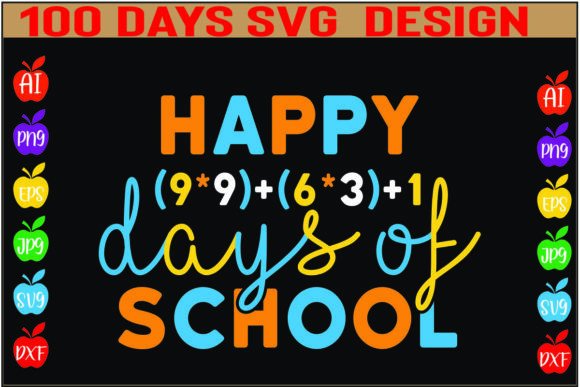
Beyond the Digital File: An Embroidery Designer’s Look at Days of School
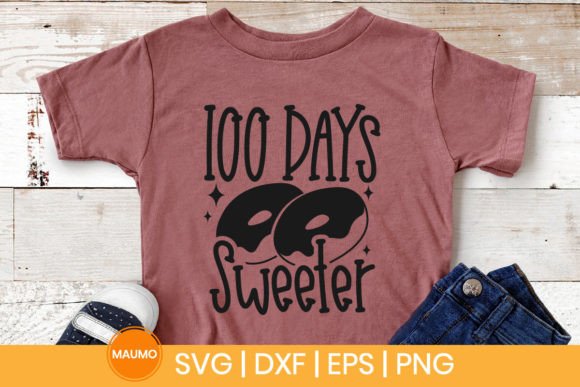
When a new design lands in my digital library, my first thought isn’t about file formats—it’s about thread and fabric. How will this translate from a screen to a stitch? The Days of School design, with its celebratory count, immediately struck me as more than just a graphic. It’s a moment, a milestone, ready to be worn or gifted. The layout feels classic and clear, built for recognition rather than intricate detail, which tells me it’s a design meant to be seen and understood quickly, perfect for personalized gifts and custom apparel.
The Mood It Creates and Where It Naturally Belongs
This design has a cheerful, proud personality. The numbers are the star, suggesting achievement and a touch of playful nostalgia. It doesn’t scream; it smiles. That makes it a natural fit for projects where the message is the main event. I instantly pictured it on a child’s backpack patch, a teacher’s appreciation apron, or a cozy sweatshirt for a parent marking the school year. For crafters and small business owners, this is the kind of embroidery file that fills a specific, emotional niche in your product line.
Imagine a client requesting a custom tote bag for their child’s 100th day of school celebration. The Days of School design isn’t just a graphic you slap on; it becomes the central theme. You’d consider thread colors—bright, primary shades or perhaps a more sophisticated monochrome palette for a boutique product. The clean, bold numbers promise good stitch clarity, which builds customer trust in the quality of your handmade product.
Performance in Real Embroidery Situations
In practical application, this design’s strength is its likely simplicity. For machine embroidery, a clean vector file means smoother digitizing, leading to reliable satin stitches or fill stitches for the numbers. I’d test it first on a scrap of typical fabric—a canvas tote material or a cotton tee. On baby clothes or caps, the scale is key; you’d need to ensure the design isn’t too large for the small curved surface of a hat, but the layout seems adaptable.
For Etsy sellers and apparel decorators, this design translates well into commercial embroidery projects like a series of commemorative pillow covers or a line of embroidered kitchen towels for teacher gifts. The high-quality print-ready PNG also means you can create sharp printable mockups for your listings quickly, enhancing your digital product previews and buyer engagement before you even stitch the first sample.
Where This Design Requires a Careful Approach
Any design with distinct numbers demands attention to detail in the embroidery process. On textured fabrics like a woven blanket, or thin, stretchy fabrics, stitch density and stabilizer choice become paramount to prevent puckering or distortion of those clean shapes. Embroidering on dark fabric would require a thoughtful thread color contrast plan so the celebratory message remains bright and clear.
If you’re considering tiny versions for delicate items—like a small embroidered patch on a baby bib—you must inspect the small details in a test run. Tiny lettering or dense stitch areas in the numbers could become muddled if not properly scaled and digitized for that hoop size. Always test in both light and dark fabric mockups to see the design’s true visual appeal across your product range.
Impact on Your Craft Business and Projects
Using a design like this effectively can elevate your product’s value. It feels specific and thoughtful, which boosts its giftability. For a creative entrepreneur, offering a personalized Days of School sweatshirt or a custom embroidered cap shows you understand niche occasions, building brand consistency as a maker who caters to meaningful moments. The professionalism of the final embroidered product hinges on your execution, but the design provides a solid, recognizable foundation.
For digital product sellers, this isn’t just a graphics asset; it’s a potential cornerstone for a series. Think of companion designs for different milestones. Its clear commercial potential means you must, as always, confirm the licensing terms before selling finished items or your own derived digital products. The provided file formats suggest versatility, but the real test is in the stitch.
Practical Notes from the Hoop
Before committing this design to a client’s project or your small shop merchandise, here’s my standard checklist. Run a test on scrap fabric identical to your final product. Review stitch density settings on your machine to ensure the fill is smooth but not too heavy for the fabric. Confirm your hoop size can accommodate the design at your intended scale, especially for curved surfaces like caps.
Check thread color contrast against your background material—sometimes a brilliant white or a metallic thread can make this pop on dark apparel. Use proper stabilizer; don’t let a celebratory design sag or warp. And crucially, verify whether the design is cleared for both personal and commercial projects. A clean, well-embroidered Days of School patch on a tote bag or a neatly stitched design on a holiday gift pillow can become a repeat business driver for your craft business, but only if the foundations are sound.
In the end, a design file is a blueprint. The Days of School design offers a clear, emotionally resonant blueprint for a wide range of embroidery projects. Its success in your handmade presentation, from a boutique product to an Etsy listing, will depend on how thoughtfully you translate its digital promise into threaded reality. Approach it with a practical, confident eye, and it can become a reliable asset in your creative toolkit.