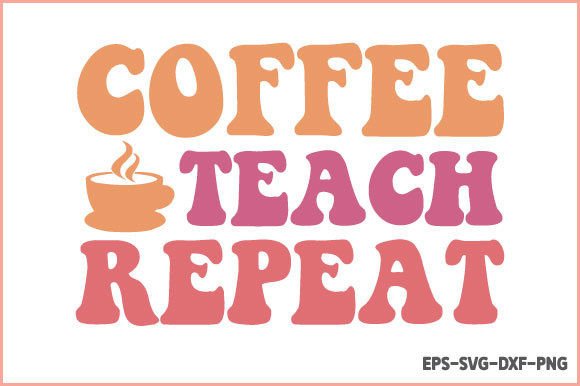
A Retro Design Review for Embroidery Projects
When a design like Coffee Teach Repeat - Retro Teacher SVG lands in my embroidery library, I look at it through a very practical lens. My first question isn't just about aesthetics; it’s about how this file will translate into stitches on actual fabric, how it will hold up on a finished product, and whether it delivers value for my time and materials.
The Immediate Mood: Warm, Playful, and Nostalgic
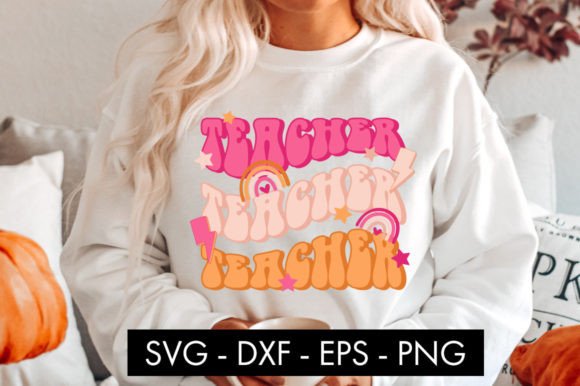
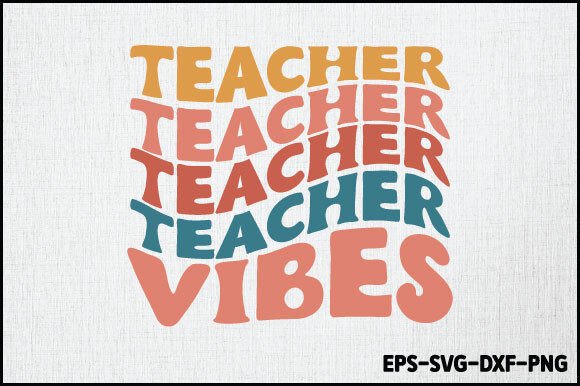
The retro styling here creates an instant, friendly warmth. It’s not a sleek, modern graphic; it feels like a cheerful homage. This mood is perfect for projects aimed at teachers, educators, or anyone with a fondness for classic schoolhouse charm paired with that universal love for coffee. The layout, with its balanced text and classic illustrative elements, suggests a design that won’t feel overwhelming on a garment or home decor item. It has a visual personality that’s both professional enough for a gift and playful enough for personal use.
Where This Design Naturally Belongs
In my mind, this design immediately maps to a few key project types. I pictured it on a custom tote bag for a teacher’s first day back—a practical, personalized gift. It feels equally suited to a cozy sweatshirt or a simple apron, something where the retro theme enhances the item’s functional, handmade feel. For small shop owners, this graphic could anchor a line of boutique teacher appreciation merchandise, from pillow covers to simple wall art. The theme is specific enough to resonate deeply with its audience but versatile enough to be adapted across many products.
Performance in Real-Life Embroidery Situations
Let’s talk about stitching this out. A design with this style typically involves areas of text and decorative elements. For a successful embroidery file, clarity in the lettering is crucial. “Coffee Teach Repeat” needs to stitch cleanly, especially the smaller details in the retro font style. On a dense fabric like a sweatshirt or tote bag canvas, with proper stabilizer, it should hold up well. I’d consider it for a centered design on a cap, but careful testing would be needed to see how the curved surface interacts with the layout’s width.
For baby clothes or lighter items like tea towels, the stitch density needs to be appropriate to avoid weighing down the fabric. This is where testing on scrap fabric first becomes non-negotiable. The design’s appeal in a commercial embroidery project—like a small batch of patches for a school event—hinges on its reliability and consistent output across multiple hoops.
Visual Appeal and Customer Perception
When stitched well, this design elevates a simple product. On a plain tote bag, it transforms it into a thoughtful, niche gift. For an Etsy seller or creative entrepreneur, that specificity builds customer trust; buyers searching for a “teacher gift” or “coffee lover teacher” item will recognize it immediately. The handmade presentation benefits from the classic, non-trendy aesthetic—it feels enduring. Its giftability is high, and for a craft business, it can become a repeatable, brand-consistent asset across different product mockups.
Caution Areas and Practical Designer Notes
No design is universally perfect, and honest evaluation means noting where to proceed carefully. The retro details and potentially small lettering mean I would avoid very small hoop sizes. Trying to miniaturize this for a tiny baby bib might lose the charm and clarity.
Textured or stretchy fabrics require extra attention to stabilizer to keep those clean lines. Embroidering on dark fabric demands thoughtful thread color contrast—a test in black and white mockups helps plan this. Layered garments or items that need frequent washing, like aprons, need a robust stitch structure to ensure longevity. Always, always check the specific file details and licensing terms before committing to a commercial run or selling the finished product.
Making It Work: The Embroidery Checklist
Before I load this Coffee Teach Repeat - Retro Teacher SVG into my machine for a real project, my process is straightforward:
- Stitch a test run on scrap fabric that matches my final product material.
- Evaluate the thread color contrast against both light and dark background mockups.
- Review the stitch density—is it too heavy for a thin fabric, or sufficient for a durable bag?
- Confirm the physical hoop size needed for the design to look balanced.
- Inspect the small details after stitching; are any corners or accents too dense or fragile?
- Use proper stabilizer for the chosen fabric to prevent puckering or distortion.
- Clearly understand the license for my intended use—personal gift or small business merchandise.
This practical groundwork turns a promising graphic into a reliable, profitable embroidery project.
The Final Stitch: A Design Worth Hooping
From a designer’s point of view, Coffee Teach Repeat - Retro Teacher SVG offers a strong thematic core that connects with a clear audience. Its retro style provides a visual warmth that translates well into satin stitches and fill areas, making it suitable for a range of crafts from custom apparel to home decor. Its value lies in that specificity. For the embroidery designer, small business owner, or crafter looking to create a product that feels personalized and niche, this design provides a solid foundation. It’s not a generic graphic; it’s a conversation starter stitched onto fabric. By approaching it with a practical, tested methodology—respecting its details on the appropriate fabrics and products—you can turn this digital asset into a finished product that looks professional, feels heartfelt, and resonates with its intended recipient every single time.