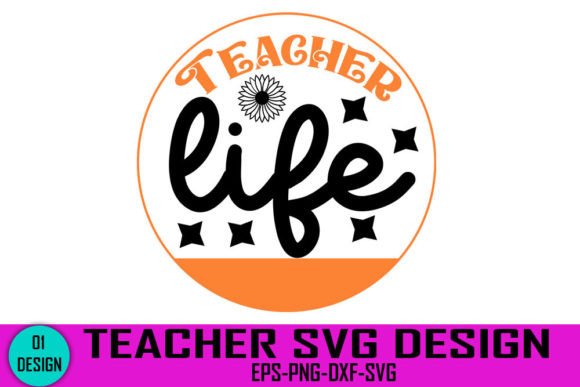
A Designer's Honest Take on the Teacher Life Embroidery Design
When you're looking for a new embroidery design, especially for client work or to stock your small shop, you're not just judging a graphic. You're evaluating a potential project. You're imagining how it will stitch out, how it will look on the final product, and how it will resonate with the person who receives it. That's the lens I'm using to look at Teacher Life. Let's walk through what this design offers from the perspective of someone who will actually put it under a hoop.
The First Impression: Warm, Recognizable, and Ready to Stitch
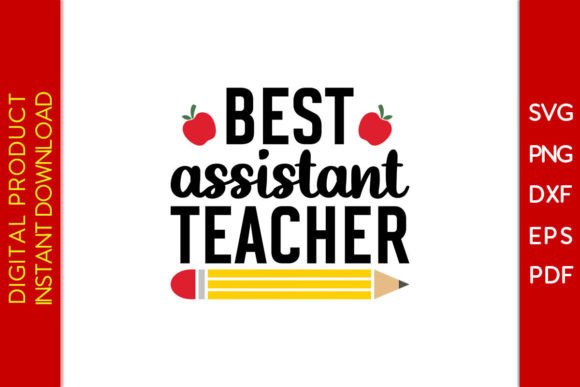
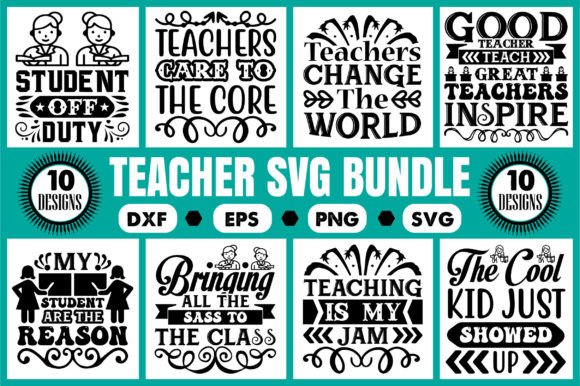
Opening the file, the immediate mood of Teacher Life is friendly and celebratory. It’s not overly ornate or fussy; it has a clear, straightforward personality. This is a big plus for embroidery, where overly intricate details can become muddled in thread. The theme is, of course, unmistakable, which is perfect for a personalized gift or custom apparel aimed at educators. The layout feels balanced, which means it won’t look awkward when centered on a tote bag or the chest of a sweatshirt. My designer instinct says this belongs on cozy, everyday items—things a teacher would actually use and enjoy.
Where This Design Finds Its Home
I can immediately picture Teacher Life stitched onto a sturdy canvas tote for carrying papers, embroidered neatly on the sleeve of a soft cotton baby onesie for a teacher-mom, or as a crisp patch on a denim jacket. It would shine on a kitchen towel or apron as a heartfelt holiday gift. For a craft business, this is solid inventory: it’s a relatable, evergreen theme for Etsy listings or craft fair products. The design’s vibe isn’t overly casual or overly formal, so it fits a wide range of applications, from a playful embroidered patch to a more polished pillow cover for a classroom reading corner.
Considering the Stitch: Practical Performance on Real Projects
The promise of multiple file formats—EPS, SVG, DXF, PNG—is crucial. It means I can scale and adapt the design for different machines and hoop sizes without losing quality. For machine embroidery, a clean SVG is often the starting point. However, the real test happens on fabric.
Imagine you're preparing a custom order: an embroidered sweatshirt for a retiring teacher. You load the Teacher Life embroidery file. The design's simplicity is its strength here. Areas that will become satin stitch for lettering or outlines should be clear and not too thin, preventing thread breaks. The potential fill stitch areas, if any in the graphic elements, need to have reasonable stitch density so they don’t pucker heavy cotton or weigh down a lightweight tee. This is where I’d advise a practical step: always test the design on scrap fabric first, matching the final project’s material.
When to Exercise a Bit of Caution
Every design has its ideal applications and its less-perfect fits. For Teacher Life, I’d be mindful on very small items. Putting it on a cap or a child’s small shirt would require significant scaling down, and tiny lettering can lose its clarity. On highly textured fabrics like loose knit sweaters, the clean lines might not appear as sharp. Similarly, on very dark fabric, you need to plan your thread colors for maximum contrast—a white or bright topstitching thread would be essential.
For products that need frequent washing, like baby clothes or kitchen linens, a robust stabilizer and quality thread are non-negotiable to keep the design looking crisp over time. This isn’t a critique of the design itself, but a universal reminder: the file is a blueprint; your execution determines the longevity.
The Bigger Picture: Value, Trust, and Professional Finish
Using a well-crafted design like this elevates your finished product. For a customer, a clean, professional embroidery job builds instant customer trust. It signals care and skill. For a small shop owner, it contributes to brand consistency—your items look reliably good. Teacher Life has a handmade presentation that feels intentional, not generic, which boosts its giftability.
From a commercial embroidery standpoint, such a recognizable theme has good buyer engagement. People see it and immediately understand the product’s purpose. This is helpful for digital product sellers too, as the clean graphic makes for excellent, clear printable mockups in your online store.
A Few Designer Notes Before You Hoop It
- Check your hoop size. Make sure the design dimensions are appropriate for your project area. Don’t force a large design onto a small available space.
- Review the small details in the file. Zoom in on corners and junctions in your software. Ensure paths are closed and lines are traceable for smooth stitching.
- Test it in black and white mockups. See how it reads without color. This helps judge form and shape, which are foundational.
- Compare light and dark fabric backgrounds. Mentally (or digitally) flip the thread colors. Does the design hold its visual weight on both?
- Most importantly, confirm licensing before selling finished items. The provided file formats are versatile, but you must verify the license terms for commercial projects or digital product resale. This is a non-design but critical business step.
Ultimately, Teacher Life feels like a reliable, versatile embroidery design asset. It’s not trying to be everything to everyone; it’s a clear, well-themed graphic that translates well into the world of thread and fabric. It’s suited for the crafts and graphics community because it’s usable. It invites you to create something tangible—a personalized gift that will be appreciated, or a small shop product that will sell with confidence. My final thought is practical: it’s a design that, with proper embroidery technique, will result in a product that looks as good as the idea behind it.