A Design Review of the 100 Rawrsome Days of School SVG
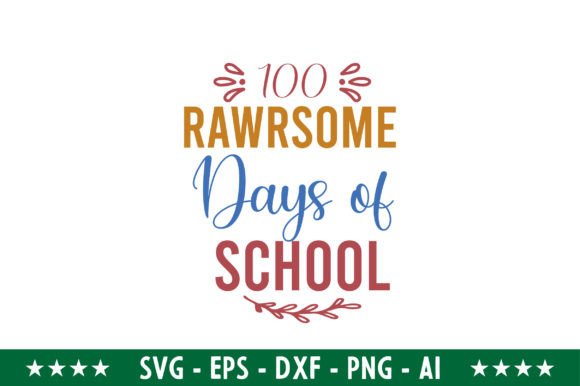
When a new design file lands on my desk, my first question isn't just "What is it?" but "Where does it belong?" As someone who stitches designs onto real products for clients and my own small shop, a file needs to prove its worth beyond the digital preview. The 100 Rawrsome Days of School SVG file presents an immediate, charmingly nostalgic mood. It’s playful, welcoming, and taps directly into that sweet spot of school milestones and childhood celebration. The layout suggests a central, celebratory element perfect for a focal point, avoiding the overly busy complexity that can turn into a stitching nightmare.
The Natural Habitat for This Rawrsome Design
My mind went immediately to personalized gifts and boutique-ready merchandise. Picture a custom embroidered tote bag for a kindergarten teacher, packed with her supplies and this design prominently stitched on the front. Or a cozy sweatshirt for a proud parent marking that 100th day milestone. This isn't a design that feels mass-produced; it has a handmade warmth that elevates simple apparel into a cherished keepsake. For Etsy sellers and craft business owners, it slots perfectly into niches like personalized baby items, holiday gifts for teachers, or small shop merchandise for school-themed boutiques.
The included file formats—SVG, DXF, PNG, EPS, Ai—are a practical advantage. Having the vector files means I can confidently resize for different projects without quality loss, whether I'm planning a large design for a pillow cover or a smaller version for a child’s cap. The 300 DPI PNG is a ready-to-use asset for creating printable mockups and digital product previews, which is invaluable for selling the idea before stitching the actual product.
Where the Stitches Will Shine and Where to Tread Carefully
In real-life embroidery, the success of a design hinges on its translation from screen to thread. The 100 Rawrsome Days of School SVG, with its presumably bold shapes and typography, should yield excellent stitching clarity on standard fabrics like cotton tote bags, canvas aprons, or fleece for blankets. The visual personality is strong enough to maintain product value and customer recognition even after stitching.
However, careful consideration is needed for certain applications. On textured fabrics like some sweaters, or stretchy fabrics like t-shirts, the finer details might require extra stabilizer and a thoughtful choice of stitch type. Embroidering onto dark fabric will demand a smart thread color contrast plan—perhaps a bright satin stitch outline to ensure the design pops. For curved surfaces like caps, the design's scale and any potential tiny lettering would need a test run on scrap fabric first to ensure readability and durability.
Products destined for frequent washing, like kitchen towels or baby clothes, need a robust stitch density. Without knowing the exact stitch count of this file, my professional advice is to always run a test stitchout. Inspect the small details, check for any overly dense fill stitch areas that could stiffen the fabric, and confirm your chosen hoop size accommodates the design comfortably before committing to a final, sellable product.
Building Customer Trust with a Well-Executed Design
The final look of an embroidered product directly impacts customer trust and your brand's consistency. A clean, professional execution of this design, with crisp edges and well-chosen thread colors, reinforces the handmade presentation as high-quality. It turns a simple graphic into a giftable, professional-looking finished product. For commercial embroidery projects or selling digital embroidery files as part of your craft business, the quality of the source file is paramount. The description notes it's a quality vector file, which is a good foundation, but the real proof is in the stitchout.
This design feels like it would foster strong buyer engagement—it's specific enough to resonate deeply with a target audience (parents, teachers, caregivers) while being versatile enough for various products. That's a sweet spot for creative entrepreneurs.
A Designer’s Practical Notes Before You Hoop It
Here’s my mental checklist before I'd use this 100 Rawrsome Days of School SVG in a client project or for my shop merchandise:
- Test, Always Test: Stitch it on scrap fabric of the same type as your final product. This reveals the true behavior of the embroidery file.
- Contrast Check: View the design in black and white mockups to understand its form, and then plan thread colors for both light and dark fabric backgrounds.
- Scale for the Surface: Resizing is a gift, but use it wisely. A design too large for a baby bib or too small for a blanket loses its impact.
- Commercial Clarity: The description doesn't specify license terms. Always confirm the licensing before selling finished items or digital products derived from the file to ensure it's cleared for commercial use.
- Stabilizer Strategy: Match your stabilizer to both the fabric and the perceived density of the design to prevent puckering or distortion.
In essence, the 100 Rawrsome Days of School SVG presents a promising, emotionally resonant starting point for a range of embroidery projects. It belongs in the world of Crafts and Graphics that translate into tactile, joyful products. Its real value, however, will be determined not by the zip file, but by the care and skill with which you translate it into stitches on real fabric, creating something rawrsome indeed.