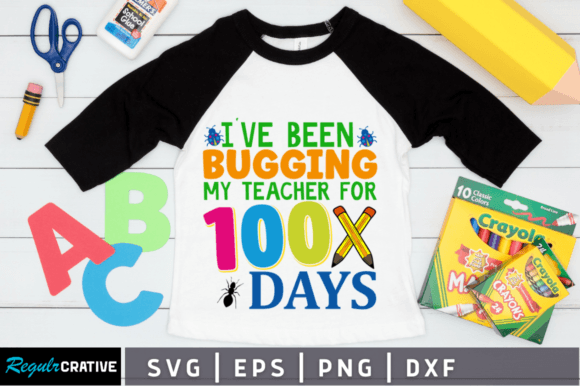
A Design Review: "I've Been Bugging My Teacher" SVG
When a new embroidery file arrives, I always look at it from the perspective of my next project. Whether I'm stitching a custom gift for a client, developing a new product for my small shop, or simply creating something special for a friend, the first impression is crucial. Today, I'm evaluating the "I've Been Bugging My Teacher" SVG. It’s a title that immediately sets a playful, affectionate, and slightly mischievous mood—perfect for a niche but heartfelt occasion.
The Personality Behind the Design
The phrase "I've Been Bugging My Teacher" has a wonderful, conversational charm. It feels less like a formal declaration and more like a shared secret or a lighthearted confession. This creates an instant emotional connection. As a design meant for embroidery, the visual execution of this sentiment is key. I’m looking for a layout that balances the text with any accompanying graphic elements—likely a bug or a playful insect motif given the title—in a way that feels cohesive and stitchable.
The personality here is friendly and warm. It’s not overly sentimental or generic; it has a specific, relatable voice. For crafters and small business owners, this is gold. It speaks directly to a real-life scenario: celebrating a student-teacher relationship, perhaps for an end-of-year gift, a Teacher Appreciation Day present, or a personalized thank-you from a parent. This specificity makes it a powerful design asset for personalized gifts and boutique merchandise.
Where This Design Finds Its Home
My mind immediately goes to practical applications. I picture a cozy, embroidered sweatshirt for a teacher, a custom tote bag they can use daily, or a decorative pillow cover for a classroom. The design’s theme suggests it belongs on items that are personal, useful, and celebratory. For my craft business, I’d consider it for a line of teacher-themed products: perhaps an embroidered tea towel for a classroom kitchenette or a beautifully stitched apron.
The description mentions use on t-shirts, mugs, signs, and cards, indicating versatility. For embroidery specifically, the transition from a digital graphic to a stitched piece is what we need to assess. A design with clean lines and distinct areas will translate beautifully to satin stitches for text and fill stitches for any bug graphic. The key is visual clarity; busy, overly detailed corners or tiny, intricate lettering can become muddled when stitched, especially on textured fabrics.
A Real Project Scenario: The Embroidered Tote Bag
Let’s walk through a real case. Imagine I’m preparing a custom embroidered tote bag as a Teacher Appreciation Week gift from a whole class. I’ve selected a sturdy cotton canvas. The "I've Been Bugging My Teacher" design would be centered, likely in a medium to large hoop size to ensure the text is readable and the graphic is charming, not cramped.
My primary concern here is stitch density on a bag that will see use. Canvas can handle density, but I’d want to ensure the design isn’t so densely packed that it becomes stiff or prone to puckering. The playful mood should remain in the final product—the stitching should feel lively, not heavy. I’d likely choose a bright, cheerful thread palette for the bug element and a classic, clear color for the text, ensuring high contrast against the bag’s fabric. The result would be a professional, handmade product that feels both fun and substantial, increasing its perceived value and giftability.
Performance Across Different Embroidery Situations
This design’s appeal lies in its adaptability, but not all applications are equal. For custom apparel like t-shirts and sweatshirts, careful stabilizer choice is paramount. On stretchy fabrics, the design’s layout must be stable; large areas of fill stitch on a tee could affect the garment’s drape. It might excel better as a smaller accent on a sleeve or pocket.
For baby clothes or nursery decor, scaled down, it could be a sweet homage from a toddler’s parent to their preschool teacher. However, on small items or detailed corners, the text size must remain legible. Tiny lettering can get lost in the stitching. Conversely, on a large surface like a blanket or a wall hanging, the design could be a stunning focal point.
One of the most lucrative uses for digital embroidery file sellers and Etsy sellers is creating embroidered patches. This design could make a fantastic, standalone patch. A teacher could iron it onto a laptop bag or a jacket. The design’s personality would translate perfectly into a patch, enhancing brand consistency for a shop specializing in educator gifts.
For commercial embroidery projects, such as bulk orders for a school’s fundraising merchandise, the design needs to stitch cleanly and efficiently. Consistent results across many caps, aprons, or pillow covers build customer trust and professional reputation. The design’s inherent charm drives buyer engagement—it’s not a generic graphic; it tells a story.
Careful Considerations for Optimal Results
Even with a charming design, practical hurdles exist. Embroidering on dark fabric requires thoughtful thread color selection to maintain clarity and visual appeal. Layered garments, like caps with curved surfaces, demand testing; a design with wide elements might distort on the crown.
The potential issue with any design featuring text is the stitch clarity of small letters. Before committing to a client’s project, I always advise to test the design on scrap fabric first. This is non-negotiable. Run a sample using your intended hoop size, thread colors, and stabilizer. Inspect the small details. Does the text read clearly? Are any decorative accents distinct?
Also, compare how it looks in a black and white mockup versus your colored thread plan. This helps judge contrast. For products that need frequent washing, like kitchen towels or baby items, a robust stitch structure with proper stabilizer during creation is essential for longevity.
Notes for the Embroidery Designer
- Always confirm the licensing terms of the graphics file before selling finished items or digital product previews. The description notes its use for various purposes, but clarity on commercial use is vital for craft business owners.
- Fabric texture dramatically affects outcome. A smooth cotton will present differently than a nubby linen for a tea towel.
- Thread color contrast is your best friend. It ensures the friendly mood of "I've Been Bugging My Teacher" isn’t lost in a murky stitch.
- Review the implied stitch density in the graphic’s composition. Areas that look very dark or solid in the digital file might require high-density stitching, which can be challenging on thin or stretchy fabrics.
- This design feels ideal for both personal gifts and small shop products. Its niche appeal makes it a standout in a marketplace of generic designs, potentially boosting recognition for your handmade brand.
The Final Stitch: A Design with Heart and Utility
Evaluating "I've Been Bugging My Teacher" SVG as an embroidery designer, I see a file with strong potential. Its greatest strength is its targeted emotional resonance. It creates a mood that translates directly into a stitched product’s value. For the crafter, it provides a clear path to a meaningful project. For the small business owner, it offers a distinctive product that can enhance a niche line. For the client or gift recipient, it delivers a personalized, professional-looking piece that genuinely celebrates a relationship.
The practical considerations are standard for any quality embroidery project: test, plan for your fabric, and ensure technical execution supports the design’s playful personality. When those boxes are checked, this design moves from a digital graphic in the crafts category to a finished product that tells a story—one stitch at a time.