A Design Perspective on The Influence of a Good Teacher
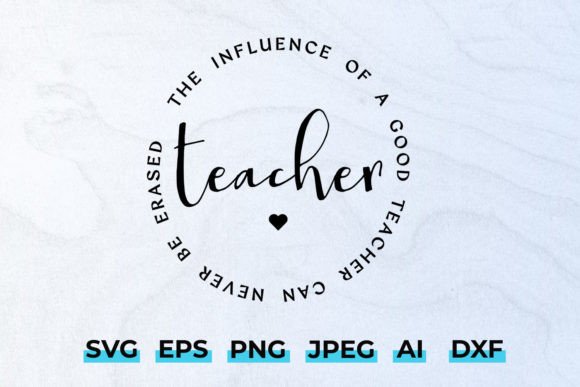
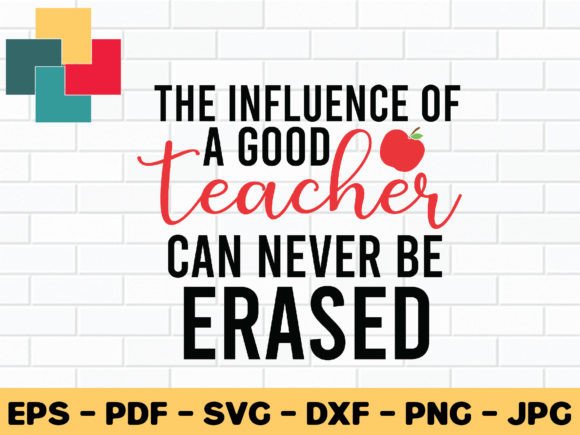
As a designer who reviews embroidery files for practical use, I approach every design with a simple question: does it translate into a beautiful, durable finished product? Today, I’m considering "The Influence of a Good Teacher" SVG design from that exact standpoint, imagining it stitched onto a client’s custom sweatshirt or a boutique’s embroidered tote bag.
The First Impression: Warm, Classic, and Unmistakably Meaningful
The theme itself sets a clear mood. This isn’t a trendy graphic; it’s a timeless sentiment. The visual personality likely leans towards classic and heartfelt, which is perfect for personalized gifts and meaningful merchandise. The layout and detail level will be crucial. A well-balanced design with clear, not overly intricate, lettering and shapes means it will stitch out cleanly, avoiding muddy details that can lose their impact on fabric.
Where This Design Finds Its Natural Home
This embroidery design feels destined for projects where emotion and appreciation are the core product. Imagine stitching it onto a cozy, high-quality sweatshirt for an end-of-year gift from a class. Picture it as a central motif on a canvas tote bag for a retiring educator. It would shine on a pillow cover for a teacher’s lounge or a neatly embroidered patch applied to a denim jacket.
For small business owners and Etsy sellers, this design taps into a perennial niche: gratitude gifts. It could elevate simple kitchen towels, aprons, or baby items meant for a teacher’s new nursery. The key is pairing it with products that feel substantial and sincere—the design’s value enhances the product’s perceived worth, building customer trust in your handmade presentation.
A Real Scenario: Preparing a Custom Embroidered Tote
Let’s walk through a real case. I’m preparing a custom embroidered tote bag for a client who wants a gift for their mentor. I load "The Influence of a Good Teacher" into my software. My first concern is stitch density, especially if the design includes fill stitch areas. A very dense design on a bag that will be used and washed frequently can feel stiff and may wear differently. I’m hoping for a balanced use of satin stitch for borders and running stitch or lighter fill for details, ensuring the final result remains fabric-friendly.
I’m also thinking about size. On a tote bag, the design needs to be large enough to be a focal point but not so large that it becomes unwieldy to hoop or distorts on the curved surface of a filled bag. I’d likely test it at a moderate hoop size on scrap canvas first.
Performance in Key Embroidery Situations
This design’s success hinges on its execution across different mediums.
On apparel like sweatshirts and t-shirts: Here, fabric texture and stability matter most. On a fleece-backed sweatshirt, details need to be robust enough to stand out against the texture. Excellent stabilizer use is non-negotiable. The design should avoid overly tiny lettering that could get lost in the fabric’s grain.
On baby clothes or delicate items: If used here, a lighter stitch density is preferable for comfort and flexibility. It might be better adapted as an applique design, where the sentiment is cut from a stable fabric and stitched down, reducing overall stitching on the delicate garment.
As a patch or on caps: These are fantastic applications. A patch allows for perfect stitching on stable material, which can then be applied to anything. On curved surfaces like caps, the design layout must be adaptable—centered elements usually work best.
Caution Areas: Where to Pay Extra Attention
Every design has its careful-use zones. For "The Influence of a Good Teacher," I’d be cautious on very dark fabrics if the design isn’t optimized with underlay stitches for contrast; thread color choice becomes paramount. Stretchy fabrics require extra stabilizer and possibly a reduction in design size to prevent puckering.
Small hoop sizes could compromise clarity if the design is detailed. If you’re thinking of a tiny motif on a handkerchief or a tea towel corner, a simplified version or a key element from the design might work better than the full composition. Also, products destined for frequent washing need robust stitching—satin stitch borders should be tight, and any decorative accents must be secure.
How This Design Affects Your Project’s Appeal and Value
From a commercial and creative perspective, this embroidery file isn’t just a graphic; it’s a product amplifier. When stitched cleanly, it conveys professionalism and care, which directly boosts buyer engagement for craft businesses. A well-executed embroidered sweatshirt with this sentiment feels like a premium, thoughtful gift, enhancing your brand’s consistency if you specialize in meaningful merchandise.
Its giftability is high. For creative entrepreneurs, it opens doors for holiday gifts, wedding gifts for a special teacher, or year-round boutique products. The recognition is instant—the message resonates, making the finished product easy to market in Etsy listings or craft fair displays. Using it in printable mockups for your digital store can immediately show potential buyers its application, driving sales of the digital embroidery file itself.
Essential Designer Notes Before You Stitch
Before committing this design to a client project or your small shop merchandise, run through these practical checks:
- Test on scrap fabric first. Use a similar fabric and weight to your final product. This reveals any issues with stitch density, hooping, or thread tension.
- Check thread color contrast. Stitch a segment on both light and dark background scraps to ensure readability.
- Review small details. Zoom in on the file in your software. Are any corners too sharp for smooth satin stitch? Are any lettering sections too fine for clear stitching on your target fabric?
- Confirm licensing. The product description states it’s a digital download for use with programs like Silhouette Studio and Cricut Design Space. It is crucial to verify the included license before selling finished embroidered items or commercial embroidery projects. Ensure your use aligns with the seller’s terms.
- Use proper stabilizer. Match the stabilizer to your fabric type—this is the foundation of a clean stitch-out.
- Consider the end-use. Will this be a decorative pillow or a heavily used apron? That influences your choice of threads and potentially even backing the embroidery with a fabric patch for durability.
The Final Stitch: A Design Built for Meaningful Making
Evaluating "The Influence of a Good Teacher" from a maker’s lens, it holds strong potential. Its classic theme provides a solid foundation for embroidery projects that aim to convey appreciation. Success lies in treating it as a design asset that requires thoughtful application—matching it to the right product, preparing the fabric and machine correctly, and respecting its sentimental weight through quality execution.
For embroidery designers, hobbyists, and commercial makers, this file can become a reliable part of your library for personalized gifts and craft business items, provided you do your due diligence in testing and adaptation. The end result, a beautifully stitched sentiment on a cherished item, is exactly the kind of project that reminds us why we love this craft.